We use strictly necessary cookies to run AaharIQ, and optional functional/analytics cookies to improve it. You can accept all, reject non-essential ones, or . See our Cookie Policy for details.

Fatty Liver Do's and Don'ts India 2026 | Food Guide | AaharIQ

38.6% of Indians have fatty liver disease — up to 65.7% in urban Delhi. Most have no symptoms until damage is done. The foods that actually reverse it.
Schema Type: MedicalWebPage + FAQPage
Non-Alcoholic Fatty Liver Disease (NAFLD) has become India's most prevalent liver condition — yet most Indians with it have no symptoms until significant damage has occurred. A 2022 meta-analysis published in the Journal of Clinical and Experimental Hepatology found the pooled NAFLD prevalence in India to be 38.6%, with urban populations reaching 65.7% in Delhi and 61.5% in Chennai. Despite this scale, NAFLD remains dramatically underdiagnosed because it produces no pain, no jaundice, and no warning signs until it progresses to NASH (Non-Alcoholic Steatohepatitis) or cirrhosis.
Diet is the most powerful intervention available for NAFLD. Unlike most liver diseases that require medication, NAFLD in its early stages can be reversed entirely through food choices. This guide covers exactly which foods heal the liver, which damage it, and how AaharIQ helps you identify liver-harmful ingredients in packaged food before you buy them.
Understanding Fatty Liver Disease: Stages and Risk
NAFLD exists on a spectrum from simple fat accumulation (steatosis) to progressive inflammation (NASH) to fibrosis and cirrhosis. The stage of disease determines how aggressively dietary changes must be implemented.
| Stage | Condition | Fat in Liver | Inflammation | Reversibility |
|---|---|---|---|---|
| Grade 1 (Mild) | Simple steatosis | <33% | ❌ None | ✅ Fully reversible with diet |
| Grade 2 (Moderate) | Steatosis + mild inflammation | 33–66% | ⚠️ Early | ✅ Largely reversible |
| Grade 3 (Severe) | NASH | >66% | ⚠️ Significant | ⚠️ Partial with treatment |
| Grade 4 | NASH + fibrosis | >66% | ❌ Severe | ⚠️ Slowed with treatment |
| Cirrhosis | End-stage scarring | Variable | ❌ Chronic | ❌ Irreversible |
NAFLD in India: Year-by-Year Prevalence Data
| Study / Year | Population | Prevalence | Method |
|---|---|---|---|
| Duseja et al., 2010 | North India urban | 24.5% | Ultrasound |
| Mohan et al., 2009 | Chennai urban | 32.0% | Ultrasound |
| Singh et al., 2015 | Chandigarh urban | 35.1% | Ultrasound |
| Kapoor et al., 2019 | Delhi NCR urban | 65.7% | Ultrasound + fibroscan |
| Prashanth et al., 2021 | Pan-India meta-analysis | 38.6% | Pooled analysis (14 studies) |
| Shalimar et al., 2022 | Urban pan-India | 40.3% | Fibroscan + biopsy |
NAFLD prevalence in India has risen from ~24% (2010) to ~40% (2022) — a near-doubling in 12 years, tracking directly with the rise in ultra-processed food consumption and sedentary lifestyles in urban India.
Fatty Liver Do's: Foods and Habits That Heal the Liver
• Consume coffee (2–3 cups/day): Multiple meta-analyses confirm caffeinated coffee reduces liver enzyme levels and lowers risk of NASH and cirrhosis by 20–40%. Both filter coffee and instant coffee provide benefit.
• Eat oily fish (2–3 servings/week): Omega-3 fatty acids (EPA/DHA) from fish reduce hepatic triglycerides. A 2018 Cochrane review found omega-3s significantly reduced liver fat in NAFLD patients.
• Choose whole grains over refined grains: Oats, barley, and millets (bajra, jowar, ragi) provide beta-glucan and fibre that improve insulin sensitivity, the core driver of NAFLD.
• Increase dietary fibre to 25–30g/day: Soluble fibre from vegetables, legumes, and fruit reduces hepatic fat by modulating bile acid metabolism and gut microbiota composition.
• Eat nuts (30g/day): Walnuts specifically have been shown to improve liver enzyme profiles in NAFLD. A 2019 RCT showed significant ALT reduction with 28g/day walnut consumption over 6 months.
• Use olive oil or cold-pressed mustard oil: Monounsaturated fats and polyphenols in olive oil reduce liver inflammation. Cold-pressed mustard oil's omega-3 content provides similar benefit.
• Target 7–10% body weight loss: For NAFLD patients with obesity, losing 7–10% of body weight is the single most effective intervention — associated with 50–90% reduction in liver inflammation.
• Eat turmeric daily: Curcumin (turmeric's active compound) has demonstrated anti-steatotic effects in human trials, reducing liver fat and inflammatory markers when consumed at 500–1,000mg/day.
Fatty Liver Don'ts: Foods That Damage the Liver
• Avoid added sugar and high-fructose products: Fructose is metabolised almost exclusively in the liver and converts directly to fat when consumed in excess. A single 600ml sweetened beverage delivers 40–65g fructose.
• Eliminate refined carbohydrates: Maida (white flour), white rice, and refined products cause rapid insulin spikes that drive de novo lipogenesis — liver fat synthesis from carbohydrates.
• Do not consume alcohol even in small amounts: Even moderate alcohol (1–2 drinks/day) accelerates NAFLD progression to NASH and cirrhosis. There is no safe alcohol level for fatty liver patients.
• Avoid trans fats (partially hydrogenated oils): Vanaspati, dalda, and foods containing hydrogenated vegetable oils promote hepatic fat accumulation and inflammatory gene expression.
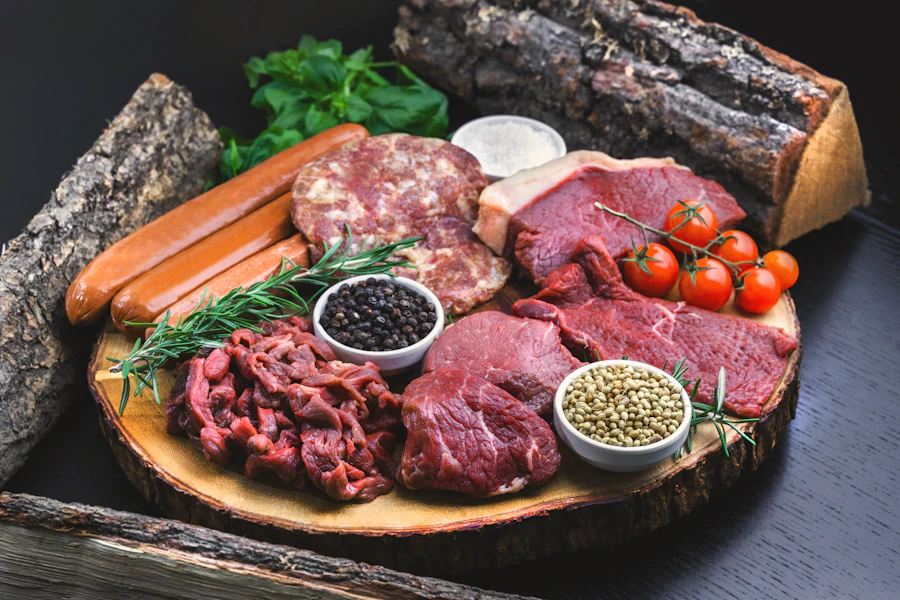
• Limit red and processed meat: Saturated fat from red meat elevates hepatic triglycerides. Processed meats contain nitrate/nitrite compounds associated with oxidative liver damage.
• Avoid ultra-processed snacks: Namkeens, packaged biscuits, instant noodles, and chips combine refined carbs, trans fats, and added sugar — all three primary dietary drivers of NAFLD.
• Do not take supplements without medical advice: High-dose vitamin A (retinol) is hepatotoxic. Herbal supplements (kava, comfrey, pennyroyal) have documented cases of acute liver injury.
Food Comparison: Liver-Healing vs Liver-Damaging Choices
| Food Category | Liver-Damaging Choice | Liver-Healing Choice | Key Difference |
|---|---|---|---|
| Breakfast | ❌ White bread + jam (75g sugar, refined flour) | ✅ Oats + walnuts + berries | Eliminates fructose + refined carbs |
| Cooking oil | ❌ Vanaspati/dalda (trans fats) | ✅ Cold-pressed mustard or olive oil | Replaces hepatotoxic fats with anti-inflammatory fats |
| Snacks | ❌ Packaged namkeen (maida, palm oil, MSG) | ✅ Roasted chana or a small handful of nuts | Fibre + protein vs empty calories + additives |
| Beverages | ❌ Sweetened soft drinks (40–65g fructose) | ✅ Black coffee or green tea | Coffee reduces NASH risk; fructose drives liver fat |
| Grains | ❌ Maida rotis/white rice | ✅ Jowar, bajra, or ragi rotis | Low GI, high fibre — reduces insulin-driven fat storage |
| Protein | ❌ Processed meat/salami (nitrates) | ✅ Fish, lentils, tofu | Anti-inflammatory omega-3 vs pro-inflammatory saturates |
| Sweetener | ❌ Sugar, jaggery in excess | ✅ Small amounts of dates or fruit for sweetness | Whole fruit fructose comes with fibre that slows absorption |
Hidden Liver-Damaging Ingredients in Packaged Indian Food
Many packaged foods that appear healthy on the front label contain ingredients that directly promote liver fat accumulation. AaharIQ's fatty liver analysis identifies these specific compounds:
| Ingredient | Found In | Liver Impact |
|---|---|---|
| High-fructose corn syrup (HFCS) | Carbonated drinks, flavoured yogurt, packaged sweets | ❌ Direct hepatic fat synthesis |
| Partially hydrogenated vegetable oil | Biscuits, bakery items, vanaspati-based snacks | ❌ Trans fats worsen hepatic inflammation |
| Refined wheat flour (maida) | Almost all packaged snacks, bread, biscuits | ⚠️ Drives insulin resistance, key NAFLD driver |
| Glucose syrup / dextrose | Breakfast cereals, energy drinks, packaged desserts | ⚠️ Rapid glucose load elevates hepatic lipogenesis |
| Palm oil (refined) | Most namkeens, chips, instant noodles | ⚠️ High saturated fat content increases liver triglycerides |
| Artificial preservatives (BHA/BHT) | Chips, crackers, instant noodles | ⚠️ Liver metabolism burden; potential oxidative stress |
How AaharIQ Protects Your Liver
AaharIQ is the only Indian food scanner app with a dedicated fatty liver health filter. When you scan any barcode, AaharIQ's liver analysis checks for every ingredient that drives NAFLD — including hidden sugar (HFCS, glucose syrup, dextrose), hidden trans fats (partially hydrogenated oils), refined flour content, and inflammatory additives.
Current AaharIQ features for fatty liver patients: FSSAI-aligned ingredient analysis, flagging of hepatotoxic additives (BHA, BHT, carrageenan), sugar content from all sources (not just "sugar" on the label), and the fatty liver health filter that provides a specific liver safety score.
Planned features: a liver enzyme tracker to log ALT/AST over time alongside food scans, a weekly "liver load score" that aggregates all scanned products, and an integration with diagnostic lab reports so dietary changes can be correlated with liver health markers.
Scan before you eat. Fatty liver has no symptoms — but the packaged food you eat every day is either helping your liver heal or accelerating its damage. AaharIQ tells you which in under 3 seconds.
Frequently Asked Questions
Q: Can fatty liver be cured with diet alone?
Yes, in Grade 1 and Grade 2 NAFLD (steatosis without significant inflammation), dietary changes combined with modest weight loss (7–10% of body weight) can completely reverse the condition. Grade 3 NASH and beyond typically requires medical supervision alongside dietary changes, but diet remains the cornerstone of treatment.
Q: How common is fatty liver in India?
A 2022 meta-analysis found 38.6% pooled NAFLD prevalence across India, with urban populations in Delhi (65.7%) and Chennai (61.5%) showing significantly higher rates. This makes NAFLD the most common liver disease in India — more prevalent than viral hepatitis B and C combined.
Q: Is sugar or fat more responsible for fatty liver?
Both contribute, but research increasingly points to fructose (from sugar and HFCS) as the more direct driver of hepatic fat accumulation because fructose metabolism bypasses the regulatory mechanisms that limit fat synthesis from glucose. Dietary fat, particularly trans fat and saturated fat, also contributes significantly.
Q: Can I eat rice if I have fatty liver?
White rice can be consumed in moderate portions (½ cup cooked) if balanced with high-fibre vegetables and protein. However, replacing white rice with millets (jowar, bajra, ragi) or parboiled rice is recommended, as the lower glycaemic index and higher fibre content reduces the insulin spike that drives liver fat storage.
Frequently Asked Questions
Yes, in Grade 1 and Grade 2 NAFLD (steatosis without significant inflammation), diet and lifestyle changes can fully reverse the condition. Studies show that 7–10% weight loss through dietary changes eliminates liver fat in 40–60% of patients and significantly reduces inflammation. Grade 3 (NASH with fibrosis) requires medical management in addition to diet.
Without AaharIQ — you're scanning labels with your naked eye, missing hidden additives, E-numbers, and FSSAI violations that could silently harm your health over time.
🔍 Scan your food to check for fatty liver disease diet india instantly
India's free AI food scanner. Detect harmful additives, FSSAI violations & allergens in any packaged food. Get a BUY or AVOID verdict in seconds.
Free tools related to this article
Author
Tags
Related Articles
 🍊
🍊"Real" Juice Isn't Real. Here's What's Actually in the Bottle.
 ❋
❋Personalized Nutrition: Why One Diet Cannot Work for Everyone
 🌿
🌿Ashwagandha Leaf Ban: FSSAI's 2026 Advisory Explained
 ◇
◇Food Additives Decoded: The E-Numbers AI Knows to Watch
 ◈
◈