We use strictly necessary cookies to run AaharIQ, and optional functional/analytics cookies to improve it. You can accept all, reject non-essential ones, or . See our Cookie Policy for details.

Zinc Deficiency in India: Symptoms, Causes & Fixes

Up to 31% of Indian adolescents are zinc-deficient (CNNS 2016-18). Here are the symptoms, best vegetarian food sources, and when to supplement.
How Common Is Zinc Deficiency in India — The Actual Prevalence Data
India's Comprehensive National Nutrition Survey (CNNS 2016-18) measured serum zinc deficiency directly across age groups: 31.1% in adolescents, 17.4% in preschoolers, and 15.8% in school-age children — all above the 20% threshold the public health community treats as a population-level concern (except school-age children, just under). Separately, NSSO dietary survey data shows the share of Indians with inadequate zinc intake rose from 17.1% in 1983 to 24.6% in 2011-12 — a genuine worsening trend over three decades, not a static problem. Among women of reproductive age specifically, roughly 31% are estimated to be zinc deficient — relevant given zinc's role in fertility and fetal development during pregnancy.
Zinc Functions and Deficiency Symptoms
| Zinc Function | Deficiency Consequence | Severity |
|---|---|---|
| Immune T-cell and NK cell production | Increased susceptibility to infections; prolonged illness duration | ❌ High clinical impact |
| Growth hormone signalling | Stunted growth in children; delayed puberty | ❌ Irreversible if chronic in childhood |
| Wound healing (collagen cross-linking) | Slow wound healing; poor surgical recovery | ⚠️ Moderate clinical impact |
| Insulin synthesis and storage | Impaired insulin production; worsened diabetes control | ⚠️ Relevant for India's diabetic population |
| Testosterone synthesis (men) | Reduced testosterone; impaired sperm function | ⚠️ Moderate impact |
| Taste and smell reception | Loss of taste (hypogeusia) and smell (hyposmia) | ⚠️ Moderate — affects appetite and nutrition intake |
| Thyroid hormone conversion | Impaired T4→T3 conversion — worsens hypothyroidism | ⚠️ Important for thyroid patients (significant India relevance) |
| Antioxidant enzyme (SOD) activity | Increased oxidative stress; accelerated cellular ageing | ⚠️ Moderate-high long-term impact |
Zinc Content of Indian Foods and Bioavailability
| Food Source | Zinc Content (mg/100g) | Bioavailability | Practical Serving |
|---|---|---|---|
| Oysters (shellfish) | 78 mg | ✅ Very high (~50%) | Not widely available in India — limited dietary relevance |
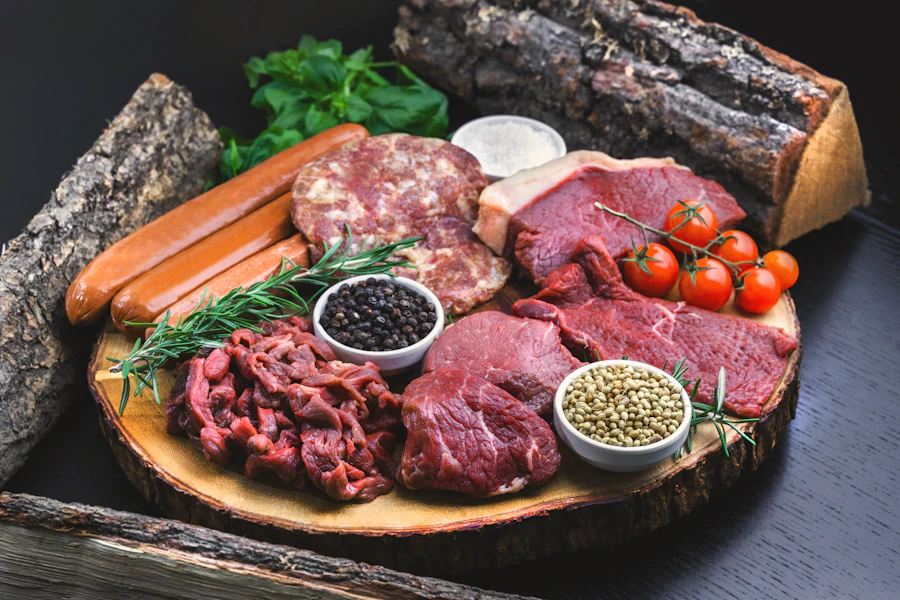
| Beef / mutton (lean) | 4–6 mg | ✅ High (~30–40%) | Non-vegetarians: 2–3 servings/week covers zinc needs |
| Chicken (lean) | 2.5–3.5 mg | ✅ High (~30%) | Two servings/week contributes meaningfully to zinc adequacy |
| Pumpkin seeds (kaddu ke beej) | 7.5 mg | ⚠️ Moderate (15–20%) — phytate inhibits | Roasted: 30g daily provides ~2.2mg absorbable zinc |
| Sesame seeds (til) | 7.8 mg | ⚠️ Moderate (15–20%) | Til chutney / til laddoo — useful daily source |
| Lentils/dal (cooked) | 1.0–1.5 mg | ❌ Low (10–15%) — high phytate content | Must rely on volume; soaking + sprouting + cooking increases bioavailability 20–30% |
| Whole wheat flour (atta) | 2.6 mg | ❌ Low (10–15%) — phytate in bran | Fermentation (sourdough-style) increases bioavailability; acidic environments help |
| Cashews | 5.6 mg | ⚠️ Moderate (15–20%) | 30g cashews/day = ~1.7mg absorbable zinc |
| Eggs (whole) | 1.3 mg | ✅ Moderate-high (25%) | 2 eggs provide ~0.65mg absorbable zinc — valuable daily contribution |
For vegetarian Indians with zinc deficiency, the solution is not just eating more zinc-containing foods but improving zinc bioavailability from plant sources. Soaking dal and grains overnight, fermenting (idli, dosa, dhokla), sprouting (moong sprouts), and cooking with acidic ingredients (tamarind, tomato, lemon) all reduce phytate and increase zinc absorption by 20–40%.
Zinc Requirement and Supplementation
| Population Group | Daily Zinc Requirement (ICMR) | Supplement Dose if Deficient | Notes |
|---|---|---|---|
| Children 1–8 years | 5–8 mg/day | 10–20 mg/day (elemental zinc) | Zinc supplementation reduces diarrhoea duration by 25%; WHO recommends zinc in acute diarrhoea treatment |
| Adolescents 9–18 years | 9–11 mg/day | 25 mg/day | Critical window for growth and immune development; deficiency stunts both |
| Adult women | 8 mg/day | 25–40 mg/day for 3–6 months | Take on an empty stomach; space from iron supplements (compete for absorption) |
| Adult men | 11 mg/day | 25–40 mg/day for 3–6 months | Zinc gluconate or zinc picolinate better absorbed than zinc oxide |
| Pregnant women | 11–13 mg/day | 25 mg/day | Critical for fetal brain development and immune programming |
| Diabetics | 11 mg/day | 25–30 mg/day — discuss with doctor | Diabetes increases urinary zinc loss; deficiency worsens glucose control |
Track Your Zinc Intake with AaharIQ
AaharIQ can flag zinc-relevant nutrition information on packaged foods and help you track whether your diet — especially if largely vegetarian and phytate-heavy — is realistically meeting your zinc needs, alongside personalised guidance on bioavailability-boosting food pairing.
The Soil-to-Plate Chain: Why Indian Soil Zinc Deficiency Matters Directly
A less commonly discussed root cause of zinc deficiency in India traces back to agriculture itself rather than dietary choice — over 35% of soils across India are estimated to be zinc-deficient, and crops grown in zinc-poor soil take up correspondingly less zinc into the grain, vegetables, and pulses that eventually reach the plate. This creates a direct agricultural-to-nutritional pathway distinct from the absorption-inhibitor and dietary-pattern factors covered elsewhere in this guide: even someone eating what looks like an adequately zinc-containing diet by food-composition tables can be consuming less zinc in practice than those tables suggest, since the tables don't typically account for regional soil zinc variation. Research examining this specific chain has found a measurable statistical link between soil zinc adequacy and childhood stunting rates at a population level — a striking illustration of how an agricultural input most people never think about connects directly to a nutritional health outcome. This is part of why India's zinc fortification and soil-amendment programmes, including zinc-fortified fertiliser initiatives in some agricultural states, represent a genuinely upstream intervention distinct from dietary advice alone — addressing the soil zinc gap directly, rather than solely encouraging individuals to eat differently from what their local agricultural zinc supply actually provides. This is a structural factor individual dietary choices alone can't fully offset.
Zinc for Childhood Diarrhoea: A WHO-Endorsed Treatment, Not Just a Prevention Strategy
Beyond its role in general growth and immune function, zinc occupies a specific, formally endorsed place in acute childhood diarrhoea treatment that's worth understanding given how common diarrhoeal illness remains among young children in India. The WHO and UNICEF jointly endorsed zinc supplementation as a standard diarrhoea treatment component in 2004, based on research showing it measurably reduces both the duration and severity of diarrhoeal episodes. The established protocol calls for 20mg of zinc sulphate daily for 14 days in children aged 3 to 59 months (10mg daily for infants under six months), typically given as a dispersible tablet alongside standard oral rehydration therapy rather than as a replacement for it. This treatment-specific use is distinct from routine daily zinc intake through diet, and it's worth parents knowing this protocol exists and is a recommended standard of care, since zinc supplementation during a diarrhoeal illness isn't merely a nutritional nicety — it's an evidence-backed treatment component with its own specific dosing that a doctor may prescribe alongside rehydration during an acute illness, distinct from general dietary zinc guidance. Most Indian paediatric guidelines now align closely with this WHO/UNICEF standard. Ask specifically about it if a doctor doesn't raise it first.
Why Zinc Deficiency Blunts Taste and Smell
A specific and often under-recognised symptom of zinc deficiency is a diminished or distorted sense of taste and smell, a connection that traces back to zinc's direct role in the structure and function of gustin, an enzyme involved in taste bud development and regeneration. Taste buds turn over and regenerate continuously throughout life, a process that depends on adequate zinc availability — when zinc status is inadequate, this regeneration slows, and taste sensitivity measurably declines as a result. This connection is clinically significant enough that reduced taste sensitivity is sometimes used as an early, low-cost screening clue for zinc deficiency in settings without ready access to blood zinc testing, though it's a supporting sign rather than a definitive diagnostic on its own, since taste changes have many other possible causes. For anyone noticing food tasting persistently blander than usual without an obvious cause like a cold or medication side effect, zinc status is a reasonable factor to mention when discussing symptoms with a doctor, alongside the other deficiency symptoms covered elsewhere in this guide. It's often the symptom that first prompts someone to ask a doctor about zinc specifically.
Zinc, Copper, and Iron: The Mineral Competition Worth Understanding
Zinc doesn't operate in isolation from other minerals, and its absorption and metabolism interact with both copper and iron in ways worth understanding for anyone managing multiple supplements simultaneously. Zinc and copper share overlapping absorption pathways in the intestine, meaning sustained high-dose zinc supplementation, if not balanced, can suppress copper absorption enough to eventually cause a secondary copper deficiency — a genuine clinical concern documented particularly with long-term, high-dose zinc supplementation exceeding typical dietary intake levels, which is part of why many combination mineral supplements deliberately include a small amount of copper alongside zinc rather than zinc alone. Zinc and iron also compete for shared absorption pathways when taken together in supplement form, though this interaction appears considerably less significant when both minerals come from food rather than concentrated supplement doses. For anyone taking separate zinc and iron supplements simultaneously — a genuinely common scenario given how frequently both deficiencies co-occur in Indian populations, as covered in this site's dedicated iron deficiency guide — spacing the two supplements a few hours apart rather than taking them together is a reasonable, low-effort way to reduce this competitive interaction and support more complete absorption of each. None of this means avoiding either supplement — it simply means timing them thoughtfully rather than combining them by default.
Zinc's Role in Wound Healing: Why It Matters Beyond General Immunity
Zinc's connection to immune function is fairly well known, but its more specific role in wound healing deserves separate attention, since it operates through distinct mechanisms relevant to anyone recovering from surgery, injury, or a chronic wound. Zinc is a required cofactor for several enzymes directly involved in the wound-healing cascade, including those responsible for collagen synthesis, cell proliferation at the wound site, and the inflammatory-to-repair-phase transition that healing tissue must move through in sequence. Zinc deficiency has been documented in research to measurably slow healing time and, in more severe cases, contribute to poor wound closure — findings significant enough that zinc status assessment is a standard consideration in clinical wound-care protocols for patients with chronic or slow-healing wounds, including diabetic foot ulcers, a condition with meaningful prevalence in India's large diabetic population. For anyone recovering from a significant injury, surgery, or managing a chronic wound, ensuring adequate zinc intake through diet — or supplementation if a deficiency is confirmed — is a concrete, evidence-supported factor in recovery time that's worth raising specifically with a treating doctor rather than assuming general nutrition alone covers this specific need. It's a small conversation that can meaningfully shorten recovery time.
Vegetarian Diets and Zinc: A Genuine but Manageable Gap
Given how large a share of India's population eats a vegetarian or lacto-vegetarian diet, it's worth addressing directly why plant-based eating patterns carry a somewhat elevated zinc deficiency risk relative to diets including meat, and what specifically can be done about it. Zinc from plant sources — legumes, whole grains, nuts, and seeds — comes bound alongside phytic acid, the same absorption-inhibiting compound covered in this guide's bioavailability section, at meaningfully higher concentrations than zinc from animal sources like meat, eggs, and dairy, meaning a vegetarian diet can supply what looks like adequate total zinc on paper while delivering less of it in an absorbable form. This is a genuine, well-documented gap rather than an exaggerated concern, but it's also a manageable one through the same preparation techniques covered in this guide's absorption-enhancers discussion — soaking, sprouting, and fermenting legumes and grains before cooking measurably reduces phytate content and improves zinc bioavailability, much as it does for iron. Combining this preparation approach with a genuinely varied intake across multiple plant zinc sources, rather than relying heavily on just one or two, gives vegetarian eaters a realistic path to adequate zinc status without requiring dietary pattern change, though it does require more deliberate attention than a diet that includes zinc-rich animal sources by default. Consistency across the week matters more than any single meal's zinc content.
References
- [1]Ministry of Health and Family Welfare / UNICEF (2019). Comprehensive National Nutrition Survey (CNNS) 2016-18. Government of India.
- [2]National Sample Survey Office (NSSO) (2014). Nutritional Intake in India, 2011-12. Ministry of Statistics and Programme Implementation.
- [3]National Institute of Nutrition, ICMR (2020). Nutrient Requirements for Indians — Recommended Dietary Allowances. National Institute of Nutrition.
Frequently Asked Questions
Yes — zinc deficiency is a documented cause of hair loss. Zinc is required for hair follicle matrix cell proliferation and keratin production. Telogen effluvium (diffuse hair shedding) is associated with low serum zinc in multiple studies. Zinc supplementation restores hair growth in zinc-deficient patients within 3–6 months.
Without AaharIQ — you're scanning labels with your naked eye, missing hidden additives, E-numbers, and FSSAI violations that could silently harm your health over time.
🔍 Scan your food to check for zinc deficiency india instantly
India's free AI food scanner. Detect harmful additives, FSSAI violations & allergens in any packaged food. Get a BUY or AVOID verdict in seconds.
Free tools related to this article
Author
Tags
Related Articles
 🍪
🍪Are Britannia Biscuits Healthy? Full Ingredient Guide 2026
 🧈
🧈Is Amul Butter and Ghee Safe? Ingredients, Adulteration Tests & Health Check India 2026
 ▲
▲The Hidden Dangers of Ultra-Processed Foods: What AI Reveals
 ◇
◇Food Additives Decoded: The E-Numbers AI Knows to Watch
 ✦
✦